Tirzepatide works
Many people managing type 2 diabetes or obesity are curious about the differences between newer treatments and traditional options. One of the most discussed medications in recent years is Tirzepatide. Understanding how Tirzepatide works compared to other GLP-1 medications can help patients and healthcare providers make informed choices. Unlike conventional GLP-1 receptor agonists, which focus solely on stimulating the glucagon-like peptide-1 receptor, Tirzepatide is designed as a dual-incretin therapy. This means it activates both GLP-1 and glucose-dependent insulinotropic polypeptide (GIP) receptors, providing a broader and more comprehensive approach to blood sugar regulation and metabolic control.
Exploring how Tirzepatide works reveals that its dual action is a significant differentiator. GLP-1 medications primarily enhance insulin secretion when blood glucose is elevated, slow gastric emptying, and reduce appetite. Tirzepatide shares these mechanisms but adds GIP receptor activation to the mix. The GIP pathway complements the GLP-1 effects by further improving insulin sensitivity, reducing glucagon release, and aiding fat metabolism. This dual mechanism not only improves glycemic control but also leads to more pronounced weight loss compared to single-receptor GLP-1 therapies, making Tirzepatide a notable advancement in metabolic treatments.
Another key aspect of How Tirzepatide Works compared to other GLP-1 medications is its molecular design and pharmacokinetics. Tirzepatide is a synthetic peptide engineered to resist enzymatic breakdown, allowing for a long half-life and convenient once-weekly dosing. Most other GLP-1 agonists also offer weekly or daily dosing, but Tirzepatide’s prolonged activity ensures consistent receptor stimulation, maintaining stable blood glucose levels throughout the week. This steady activation reduces fluctuations in blood sugar, a benefit that is especially valuable for individuals with type 2 diabetes who struggle with variable glucose levels despite other treatments.
Clinical evidence provides further insight into how Tirzepatide works in comparison to traditional GLP-1 drugs. Studies have shown that patients using Tirzepatide often achieve greater reductions in HbA1c, a key indicator of long-term blood sugar control. Additionally, weight loss outcomes tend to surpass those observed with other GLP-1 medications. These results suggest that dual receptor targeting enhances metabolic efficiency beyond what is possible with single-pathway therapies. For many patients, this means better overall management of diabetes, reduced cardiovascular risk factors, and improved quality of life, illustrating the practical benefits of understanding how Tirzepatide works.
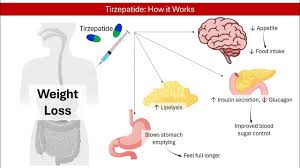
How Tirzepatide works compared to other GLP-1 medications?
The appetite-suppressing effects of Tirzepatide also highlight important differences in how Tirzepatide works compared to other GLP-1 medications. GLP-1 agonists slow stomach emptying and promote satiety, but the addition of GIP receptor activation in Tirzepatide further enhances this effect. Patients often report reduced hunger, lower caloric intake, and more sustainable weight loss over time. By simultaneously targeting multiple pathways that regulate energy balance, Tirzepatide provides a more comprehensive approach to weight management, which is a crucial factor in improving insulin sensitivity and overall metabolic health.
Safety and side effects are important considerations when evaluating how Tirzepatide works relative to other GLP-1 medications. Most of the common side effects are gastrointestinal, including nausea, vomiting, and diarrhea, which typically diminish as the body adjusts. Unlike older medications that carry a higher risk of hypoglycemia, Tirzepatide’s glucose-dependent mechanism ensures that insulin is only released when needed, minimizing the risk of dangerously low blood sugar levels. This targeted action, combined with its dual-incretin properties, makes Tirzepatide both effective and relatively safe for long-term use in appropriate patients.
Additionally, how Tirzepatide works in improving cardiovascular and metabolic outcomes distinguishes it from other GLP-1 drugs. By addressing multiple hormonal pathways, Tirzepatide has demonstrated improvements not only in blood glucose and weight but also in blood pressure and lipid profiles. These benefits contribute to a lower risk of heart disease, which is a major concern for individuals with type 2 diabetes. While traditional GLP-1 medications offer some cardiovascular protection, the dual-action nature of Tirzepatide may provide a more robust metabolic and cardiovascular benefit over time.
In conclusion, understanding how Tirzepatide works compared to other GLP-1 medications underscores why it is considered a next-generation therapy. Its dual-receptor activation, long-lasting pharmacokinetics, enhanced weight loss, and improved glycemic control set it apart from traditional GLP-1 receptor agonists. Clinical studies confirm that Tirzepatide not only helps regulate blood sugar more effectively but also promotes sustainable weight loss and improves metabolic health in ways that single-pathway medications may not achieve. As research continues, the role of dual-incretin therapies like Tirzepatide is likely to expand, offering new hope for patients seeking comprehensive and effective management of type 2 diabetes and related metabolic conditions.