recycle computer scrap
Recycling computer scrap is an essential process that helps reduce electronic waste and recover valuable materials. As technology advances rapidly, outdated computers and electronic devices become obsolete, contributing to a growing e-waste problem. Instead of allowing these devices to end up in landfills, recycling them can help extract precious metals such as gold, silver, copper, and palladium. Proper recycling of computer scrap ensures that toxic elements like lead, mercury, and cadmium do not contaminate the environment.
The first step in recycling computer scrap is collection and sorting. Businesses, individuals, and electronic waste collection centers gather discarded computers, laptops, circuit boards, and other electronic components. Once collected, these materials are sorted into different categories, such as metals, plastics, and reusable components. This sorting process is crucial in determining which materials can be refurbished, repurposed, or sent for metal extraction.
Dismantling is the next stage in the recycling process. Skilled workers or automated machines carefully disassemble computers and electronic devices to separate valuable components. Items such as hard drives, processors, memory chips, and motherboards are removed and assessed for potential reuse. Some functional components can be refurbished and resold, while others are sent for material recovery. The remaining materials, such as plastic casings and wiring, are further processed to extract recyclable elements.
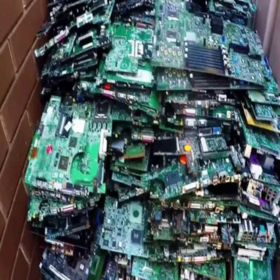
How can you recycle computer scrap?
One of the most valuable aspects of recycling computer scrap is metal recovery. Specialized facilities use advanced techniques like smelting and chemical processing to extract metals from circuit boards and other components. Gold and silver, often found in small quantities within computer parts, are recovered and refined for use in new electronic products. Copper, commonly present in wiring and circuit boards, is also reclaimed and repurposed for various industrial applications. These recovered metals help reduce the need for mining new resources, promoting sustainability.
For businesses looking to buy or sell computer scrap in bulk, online platforms like Global Sources provide a convenient solution. Through this B2B marketplace, buyers can shop online for wholesale computer scrap from verified suppliers in China, India, Korea, and other countries. The platform simplifies trade by allowing users to compare prices, check minimum order quantities (MOQs), and negotiate deals with manufacturers and wholesalers. With just a few clicks, businesses can efficiently source high-quality computer scrap products for recycling or resale.
Proper disposal of non-recyclable components is also a key part of responsible e-waste management. Some electronic parts contain hazardous materials that require special handling to prevent environmental contamination. Certified recycling facilities ensure that these toxic substances are disposed of safely, minimizing their impact on the ecosystem. Many governments have established regulations and e-waste collection programs to encourage responsible recycling practices among consumers and businesses.
The growing awareness of sustainability has led to increased efforts in recycling computer scrap. Many companies now specialize in refurbishing old computer components, extending their lifespan and reducing overall waste. By choosing to recycle rather than discard electronic devices, individuals and businesses contribute to a greener future and support the circular economy. With the availability of online platforms like Global Sources, finding reliable suppliers and buyers for computer scrap has never been easier.
Recycling computer scrap is not just an environmentally friendly practice but also a profitable industry. The recovered materials provide cost-effective raw materials for new electronic products, while responsible disposal methods protect the planet from harmful waste. Whether through direct recycling, refurbishment, or selling scrap to verified buyers, everyone has a role to play in making electronic waste management more sustainable.